What Is Bioluminescent Kayaking in Florida, and Where Should You Go?
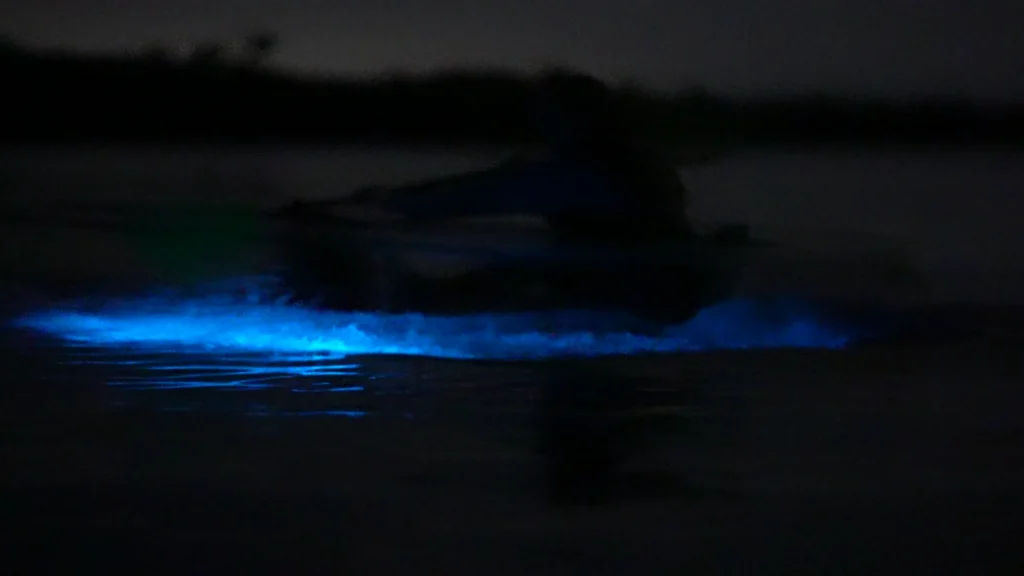
Bioluminescent kayaking in Florida is one of the most extraordinary nighttime experiences in the United States — and the Indian River Lagoon on Florida’s Space Coast is widely regarded as one of the best places in the world to experience bioluminescence.
Here’s a quick answer to help you plan:
- What it is: Nighttime kayaking through glowing water caused by tiny light-producing organisms
- Best location: Indian River Lagoon near Titusville and Cocoa Beach
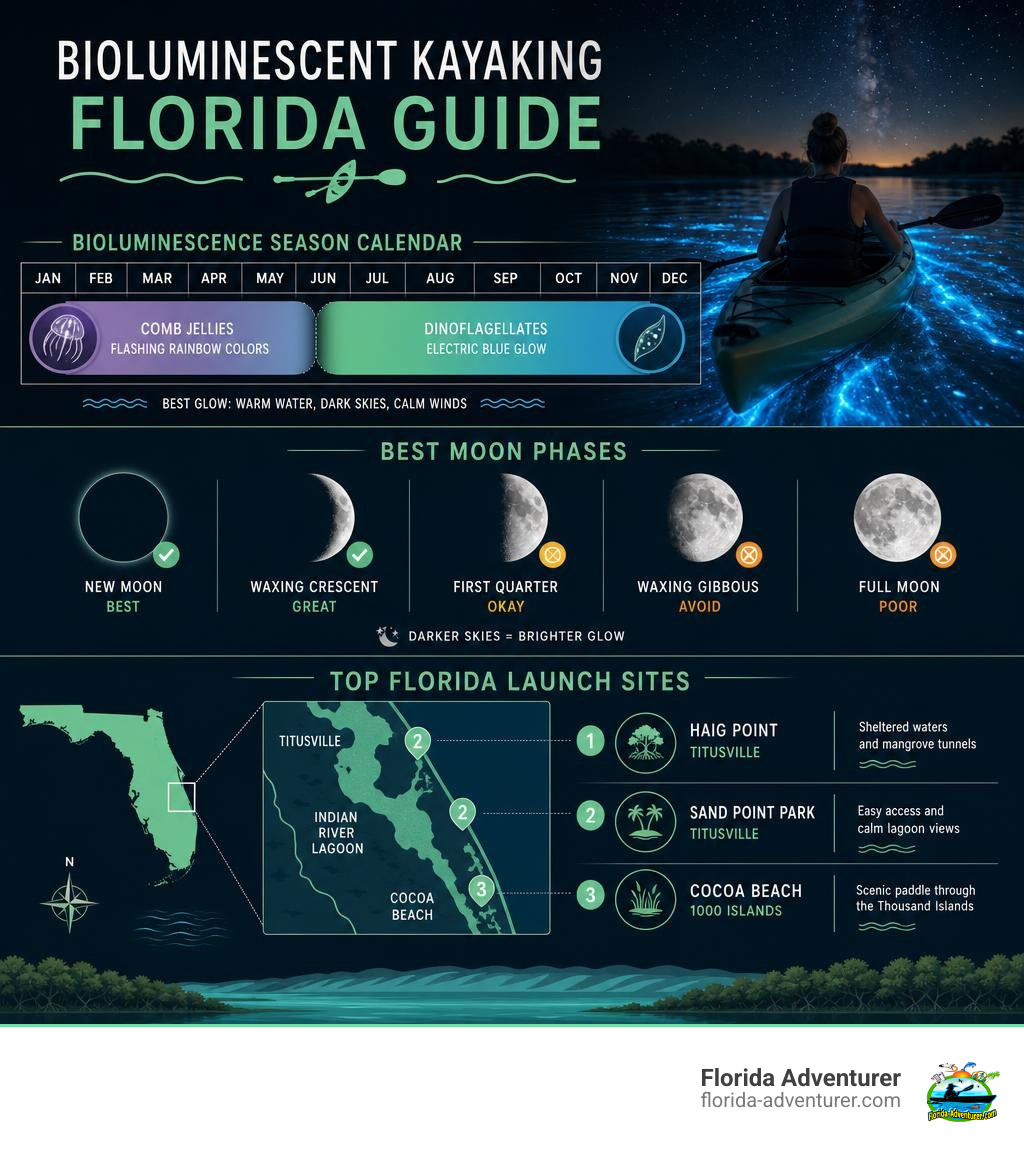
- Summer glow (June–October): Electric blue light from dinoflagellates (microscopic plankton)
- Winter glow (November–May): Flashing rainbow colors from comb jellies
- Best conditions: New moon, dark skies, warm water, calm winds
- Experience needed: None — guided tours welcome complete beginners and families
- Distance from Orlando: About 45 minutes
Imagine paddling through dark, calm water and watching every stroke of your paddle ignite a trail of electric blue light. Manatees glide beneath you, lit up like living lanterns. Fish dart away in streaks of neon. The night sky above is full of stars — and somehow, the water seems to match it.
That’s what bioluminescent kayaking on Florida’s Space Coast actually feels like.
The Indian River Lagoon is recognized as one of the most biologically diverse estuaries in North America, and it is also one of the best places to witness this natural light show. During peak summer months, dinoflagellate populations can become dense enough to create dramatic glowing effects throughout the lagoon.
Whether you’re visiting from Orlando, staying near Cocoa Beach, or planning a trip specifically around the glow, this guide covers everything you need to know.
The Science of the Glow: Dinoflagellates vs. Comb Jellies
To fully appreciate this spectacle, it helps to understand the science behind the magic. Bioluminescence is the natural emission of light by living organisms. This phenomenon occurs through a fascinating chemical reaction inside the organism involving a light-emitting molecule called luciferin and an enzyme called luciferase. When these two components react with oxygen, they release energy in the form of “cold light” — a type of light that generates virtually no heat. For a deeper scientific explanation, see NOAA’s overview of what bioluminescence is and how marine organisms use it.
In nature, bioluminescence serves several purposes, primarily as a defense mechanism. For many organisms, flashing a bright light acts as a “burglar alarm” to startle predators or attract even larger predators that might eat the threat.
In nature, bioluminescence serves several purposes, primarily as a defense mechanism. For many organisms, flashing a bright light acts as a “burglar alarm” to startle predators or attract even larger predators that might eat the threat.
Dinoflagellates: The Summer Sparkle
During the warm summer months, the water comes alive with microscopic, single-celled organisms called dinoflagellates. These tiny plankton are too small to see individually with the naked eye, but when they are concentrated in massive quantities, their collective glow is jaw-dropping.
Our peak dinoflagellate season runs from June through October, with July and August standing out as the absolute brightest months of the year. During this window, the water temperature in the shallow, protected estuaries of the Indian River Lagoon rises, creating the perfect breeding ground. In fact, dinoflagellate concentrations can reach an astonishing 200,000 to 300,000 organisms per liter of water.
When you paddle through the water during these months on one of our bioluminescence Florida kayaking tours, even a small disturbance can trigger a bright blue-green flash. Schools of mullet darting away look like underwater bottle rockets, while your kayak paddle leaves a swirling trail of liquid neon.
Comb Jellies: The Winter Rainbow
As the weather cools down and the dinoflagellates fade, a new cast of characters takes over the lagoon. From November through May, the winter waters fill with comb jellies (scientifically known as ctenophores).
Unlike traditional jellyfish, comb jellies do not have tentacles and are completely non-stinging, making them 100% safe to touch and observe up close. These translucent, prehistoric creatures have been floating in Earth’s oceans for over 540 million years — pre-dating the dinosaurs!
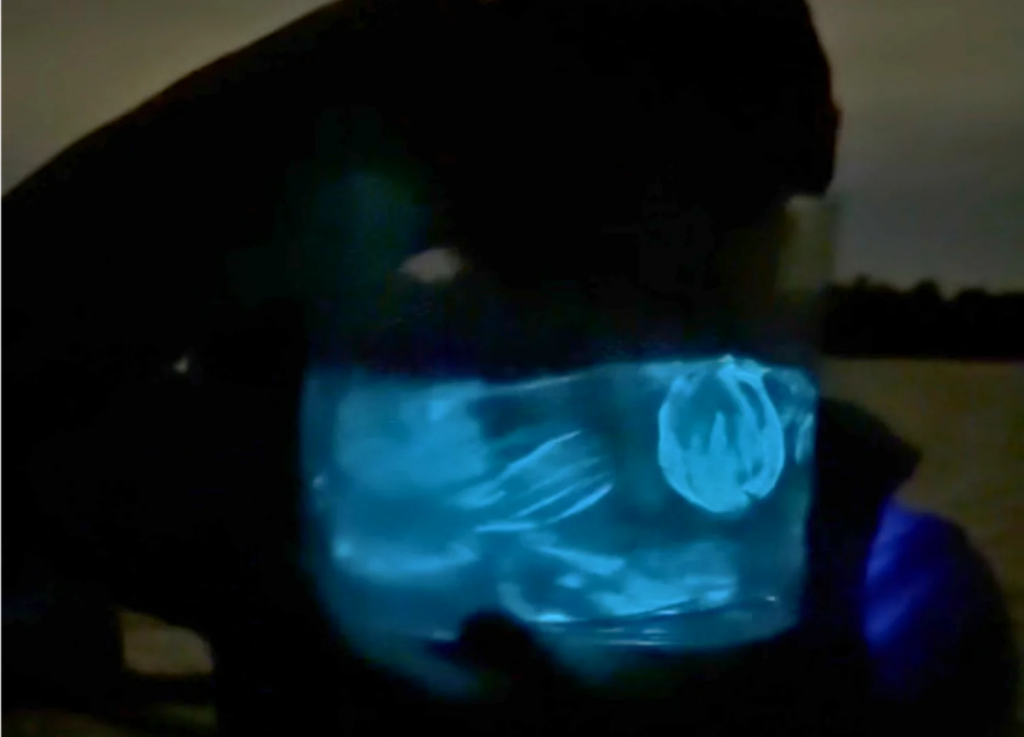
Comb jellies create a different kind of magic on the water. These small, non-stinging creatures move with tiny, hair-like plates called cilia, which can shimmer with rainbow-like color as they pulse through the lagoon. When the water is disturbed, they may also produce a soft glow. On comb jelly bioluminescence kayak tours, guests can often see them up close in small nets or cups, watch the light, and then release them safely back into the water. It is a hands-on, beginner-friendly experience that many kids and families love.
Best Time for Bioluminescent Kayaking in Florida
The best time depends on what kind of glow you want to see. Dinoflagellates are brightest in the warmer months, especially summer through early fall, when the water is warm and dark nights make the sparkle easier to see. Comb jellies are more common in the cooler months, giving winter visitors a great reason to paddle after sunset. For either season, aim for nights close to the new moon, when darker skies help the bioluminescence stand out.
Planning Your Adventure: Bioluminescent Kayaking Florida Guide
Because this is a completely natural phenomenon, the quality of the glow can vary based on several environmental factors. Knowing how to plan around these variables will ensure you get the brightest, most breathtaking experience possible.
Best Moon Phases for Bioluminescent Kayaking Florida
If there is one golden rule for planning a bioluminescence trip, it is this: dark skies equal a brighter glow.
The light produced by dinoflagellates and comb jellies is delicate. When there is a bright, full moon shining overhead, the ambient light reflects off the water’s surface, making the bioluminescence appear less intense. To get the absolute most dramatic, high-contrast glow, you want to plan your trip around the new moon.
We highly recommend booking your tour during “dark sky weeks” – the few nights before and after the new moon. With less moonlight, the lagoon appears darker, making the blue-green glow easier to see with each paddle stroke. These prime viewing dates are popular and often sell out well in advance, especially in peak summer. Before you choose your night, check our updated calendar of new moon dates for bioluminescence in Florida so you can plan around the best viewing windows of 2026.
Seasonal Timing and Weather Factors
While the moon phase is crucial, seasonal weather also plays a major role:
- Water Temperature: Dinoflagellates thrive in hot, stagnant water. The warmer the water, the more active they are, and the brighter the summer glow will be.
- Summer Rain: A light, warm summer rain can actually enhance the experience. Every raindrop hitting the surface of the lagoon acts as a tiny physical disturbance, causing the entire body of water to sparkle like a field of diamonds.
- Wind Speed: Calm, low-wind nights are ideal. High winds create whitecaps and natural waves that trigger the bioluminescence prematurely, which can make the water look slightly washed out and make paddling a bit more challenging.
Top Launch Sites and Proximity to Major Cities
The northern Space Coast offers the perfect geographic setup for bioluminescence. The shallow, slow-moving waters of the Merritt Island National Wildlife Refuge, Mosquito Lagoon, and the Banana River are protected from heavy ocean currents, allowing the glowing organisms to concentrate in massive numbers.
Best Locations for Bioluminescent Kayaking in Florida
We launch our tours from several carefully selected, premium locations to give you the absolute best access to the brightest waters:
- Haulover Canal: Located in the heart of the Merritt Island National Wildlife Refuge, this is one of Florida’s top launch sites for bioluminescent kayaking. It connects the Indian River Lagoon and Mosquito Lagoon, creating a natural pathway for marine life. Because the surrounding federal land is protected from development, the skies stay wonderfully dark, with very little light pollution from hotels, homes, or streetlights. That makes it reliable, beginner-friendly, and especially memorable on new moon nights. For directions and details, see our guide to the Haulover Canal Launch Site.
- Kiwanis Island: Situated in Cocoa Beach, this launch site gives paddlers easy access to the Banana River. It is a strong choice for visitors staying near the beach who want a shorter drive, calm water, and a scenic route through winding mangrove channels.
- Beacon 42: This remote boat ramp inside the Merritt Island National Wildlife Refuge is another excellent option. Its calm, shallow flats make it especially popular for clear kayak tours, where glowing underwater trails can be easier to see beneath the boat.
- Parish Park: Located on the Titusville side of the Max Brewer Bridge, Parish Park offers a convenient and accessible launch point with beautiful views of the surrounding waterways. You can learn more in our guide to bioluminescence kayaking at Parish Park in Titusville.
Drive Times from Orlando, Cocoa Beach, and Titusville
One of the best things about the Space Coast’s bioluminescent bays is how accessible they are to major Florida travel hubs. You don’t have to travel to a remote island in the Caribbean to see this bucket-list phenomenon — it is practically in Orlando’s backyard!
- From Orlando: Approximately 45 minutes (making it a perfect evening day trip after a day at the theme parks).
- From Disney World / Kissimmee: Approximately 35 to 50 minutes.
- From Cocoa Beach: Approximately 25 minutes.
- From Titusville: Approximately 10 to 15 minutes.
- From St. Augustine: Approximately 1 hour and 30 minutes.
If you are planning your route, you can find exact coordinates, maps, and travel tips on our directions page.
Choosing Your Vessel: Clear Kayaks, Tandems, and Rafts
Everyone experiences the water differently, which is why we offer several unique vessel options. Whether you want a fully immersive visual experience, a stable and relaxing paddle, or a comfortable ride for the whole family, we have the perfect setup for you.
| Vessel Type | Best For | Weight Limits | Immersive Factor |
|---|---|---|---|
| Clear Kayak | Couples, photography, maximum visual immersion | 415 lbs total (max 250 lbs per seat) | Extreme (10/10) |
| Traditional Tandem | Beginners, wildlife lovers, easy paddling | 550 lbs total | High (8/10) |
| Multi-Person Raft | Families with young kids, seniors, non-paddlers | No individual limit (holds 6-10 people) | Great (7/10) |
Clear Kayak Tours
If you want the ultimate, outer-space feeling of gliding over a glowing galaxy, our clear bottom kayaks are a must-try. These vessels are 100% transparent, meaning there is nothing between you and the glowing water beneath your seat.
When a fish darts under your kayak, you will not just see a glow off to the side. You will see a bright neon streak pass directly beneath your feet. It feels a little like floating on light. Florida Adventurer runs these popular clear-kayak trips from two main areas. You can book a clear kayaking bioluminescence tour near Cocoa Beach or head north to explore the shallow flats on a clear kayaking tour at Beacon 42 in Titusville.
Traditional Tandem Kayaks and Sunset Combos
For those who prefer maximum stability and a classic paddling experience, our traditional tandem (double) kayaks are the perfect fit. These kayaks are incredibly easy to steer, track beautifully through the water, and have a generous weight capacity of up to 550 pounds.
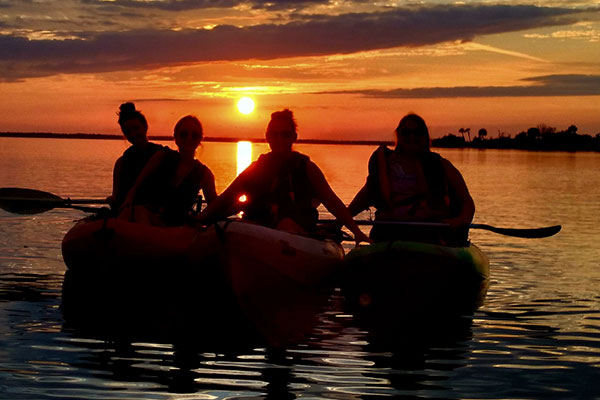
For the ultimate romantic evening or family adventure, we highly recommend our sunset-to-bioluminescence combination tours. You will launch just before dusk to watch the sky turn brilliant shades of pink and orange while searching for active dolphins and manatees. As night falls, the water begins to glow, giving you the best of both worlds in a single trip. Book your experience on our sunset kayaking with bioluminescence page.
Group Rafting Options
Are you traveling with young children, elderly family members, or individuals who are nervous about paddling their own kayak? Our multi-person bioluminescence rafting tours are a fantastic, stress-free alternative.
These large, inflatable rafts hold between 6 and 10 people and are guided by one of our professional tour guides. You can sit back, relax, and focus on the glowing water and wildlife without worrying about steering or paddling. It is one of the safest, most comfortable, and most social ways to experience the lagoon. Learn more and book your spot on the group rafting bioluminescent tour.
Safety, Wildlife, and What to Bring on the Water
Paddling at night might sound intimidating if you’ve never done it before, but we take every precaution to ensure our tours are safe, relaxed, and fun for all ages.
What to Expect on a Nighttime Guided Tour
Every single one of our tours begins with a comprehensive land-based safety briefing and paddling instruction. We provide all guests with Coast Guard-approved life jackets (PFDs), safety whistles, and specialized night-navigation lights so our group stays visible and together at all times.
Florida Adventurer’s professional guides are local experts who know these waterways well. They lead you through calm, shallow, protected areas away from motorized boat traffic, share simple facts about the lagoon ecosystem, and help you find the brightest pockets of glow. Learn more about what to expect on Florida Adventurer’s bioluminescent tours.
Nocturnal Wildlife Encounters
The Indian River Lagoon is a thriving sanctuary, and the wildlife encounters at night are nothing short of magical. Because the water glows when disturbed, the movements of local marine animals are beautifully illuminated. Guests should always view wildlife quietly and respectfully; FWC’s wildlife viewing guidelines offer helpful reminders for observing animals without changing their natural behavior.
- Manatees: These gentle giants frequently swim alongside our kayaks. When they breathe or glide beneath us, they look like giant, glowing green-blue clouds.
- Dolphins: Seeing a dolphin hunt at night is a rare, spectacular sight. They leave behind long, shimmering trails of light as they slice through schools of fish.
- Mullet: These small, energetic fish love to jump. When startled, they skip across the surface of the water like glowing skipping stones.
- Wading Birds: You may spot herons, egrets, and pelicans resting along the mangrove shorelines under the stars.
To combine daytime wildlife viewing with your night glow experience, check out our dolphin and manatee sunset tours.
Gear Checklist: What to Wear and Bring
To keep yourself comfortable and dry during your night paddle, we suggest bringing the following items:
- Quick-dry athletic clothing: You may get splashed, so skip heavy cotton, denim, or anything that stays wet.
- Water shoes or sandals: Most launches involve stepping into shallow water when getting in or out of the kayak.
- Insect repellent: Mosquitoes and no-see-ums are common near marshy shorelines, especially on warm, still nights. Apply bug spray before you launch.
- A towel and change of clothes: Leave these in your car so the ride home is dry and comfortable.
- Water and light snacks: Bring enough to stay hydrated and energized before or after your paddle.
Is Bioluminescent Kayaking in Florida Worth It?
Bioluminescent kayaking is one of the most unique things to do in Florida and is well worth the experience for nature lovers, families, couples, and first-time visitors. The Indian River Lagoon and surrounding Space Coast waterways offer some of the best bioluminescence viewing opportunities in North America. Whether you’re watching electric blue trails from summer dinoflagellates or observing glowing comb jellies during winter, the experience is unlike any daytime kayak tour. Many visitors travel from Orlando specifically to see the glow, making it one of Florida’s most memorable outdoor adventures.
Frequently Asked Questions about Bioluminescent Kayaking
Do I need prior kayaking experience?
Not at all! The vast majority of our guests are first-time kayakers. Our tandem kayaks and rafts are incredibly stable, and our guides will teach you everything you need to know before we launch. We keep a gentle, relaxed pace that is comfortable for paddlers of all fitness levels.
Can you capture bioluminescence on a phone camera?
Capturing the glow on a standard smartphone can be very challenging because phone cameras struggle in low-light environments without a flash (and using a flash will ruin your night vision and hide the bioluminescence!).
However, newer model iPhones and Androids with dedicated “Night Mode” or manual long-exposure settings can occasionally capture beautiful shots if you hold the camera extremely still. If you bring a camera, we highly recommend keeping it in a secure dry bag when you aren’t using it.
What happens if it rains on the night of the tour?
A light, warm Florida rain will not cancel our tours — in fact, as mentioned earlier, raindrops make the entire lagoon sparkle beautifully! However, your safety is our absolute top priority. If there is high wind, heavy downpours, or lightning in the area, we will delay the launch or reschedule the tour.
You can read all the details regarding weather-related changes and bookings on our official cancellation policy page.
Conclusion
Bioluminescent kayaking in Florida is more than just an outdoor activity — it is a bucket-list experience that connects you directly with the quiet, glowing wonders of the natural world. From the bright, electric blue trails of summer dinoflagellates to the shimmering winter rainbows of prehistoric comb jellies, the Space Coast offers a year-round spectacle unlike anything else on Earth.
Author: Josh Myers
Josh Myers is the owner of Florida Adventurer and has spent years helping guests experience the Indian River Lagoon after dark. On bioluminescence tours, his work is hands-on: watching seasonal glow conditions, helping first-time paddlers feel comfortable on the water, reading wind and moonlight before launch, and teaching guests why dinoflagellates, comb jellies, dolphins, manatees, and other lagoon wildlife behave the way they do. His perspective in this guide comes from real nights on Florida’s Space Coast waterways, not from a generic travel checklist.
About Florida Adventurer
Florida Adventurer is a locally owned guided eco-tour company serving Florida’s Space Coast, including Titusville, Merritt Island, Cocoa Beach, the Indian River Lagoon, the Banana River, and nearby launch areas. The company focuses on small-group outdoor experiences, responsible wildlife viewing, environmental stewardship, and guest safety. Its guided adventures include bioluminescence tours, clear kayak tours, dolphin and manatee encounters, sunset paddles, comb jelly tours, and family-friendly kayak and rafting options.
Ready to see the glow for yourself? Space fills quickly, especially during dark sky weeks. Book your spot on one of our bioluminescence kayaking tours in Florida today.