
What Is Bioluminescence in Titusville, Florida — and Is It Worth the Trip?
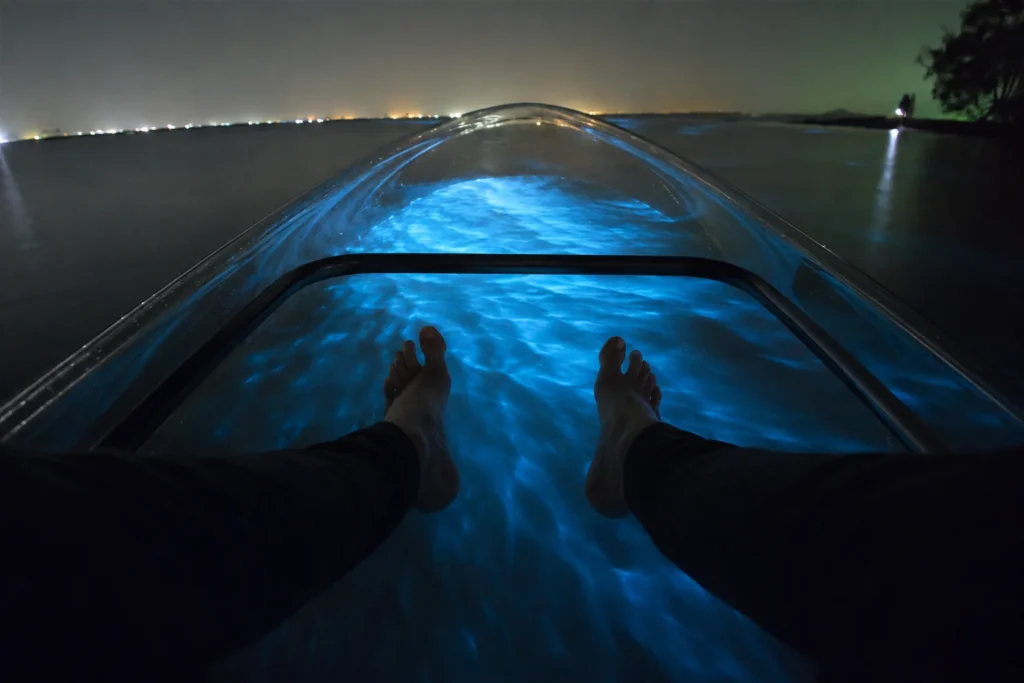
On the right night, paddle strokes and swimming fish in the Indian River Lagoon can leave visible blue-green trails in the dark water. Titusville’s launch areas sit beside shallow, protected lagoon water rather than open surf, which is part of the appeal of bioluminescence in Titusville, Florida: it is accessible from Orlando and Kennedy Space Center, but still feels quiet, local, and weather-dependent in the way a real nature experience should.
Here is a quick overview of what to know before you go:
| Question | Quick Answer |
|---|---|
| What causes it? | Dinoflagellates are the main summer glow; comb jellies are more common in cooler months |
| Best months? | July through October usually brings the strongest dinoflagellate glow; winter can bring comb-jelly viewing |
| Best moon phase? | New moon and darker sky windows usually make the glow easier to see |
| Where does it happen? | Titusville-area launches near the Indian River Lagoon, Mosquito Lagoon, Merritt Island National Wildlife Refuge, Haulover Canal, and Beacon 42 |
| How far from Orlando? | Roughly an hour from much of Orlando, depending on traffic and launch site |
| Do I need experience? | No. Guided options can accommodate many first-time paddlers, although guests should be comfortable participating in an outdoor activity on the water at night. |
| Is it guaranteed? | No natural display is guaranteed; season, moonlight, wind, rain, and water conditions all affect visibility |
Titusville is one of Florida’s best-known destinations for bioluminescent paddling because it provides access to dark, protected sections of the lagoon system. Brightness and visibility still vary by date and conditions. The surrounding refuge lands and relatively undeveloped shoreline provide access to darker sections of the lagoon system. Many routes also pass through shallow or sheltered water where bioluminescence may be easier to observe when conditions align.
I’m Josh Myers, owner of Florida Adventurer, and I’ve spent years helping guests plan around the realities of this experience: moon phase, wind, weather, launch choice, group comfort, and seasonal glow. This guide explains the timing, launch choices, tour formats, preparation, and realistic expectations that matter before you book a Titusville bioluminescence experience.
Understanding Titusville’s Bioluminescence
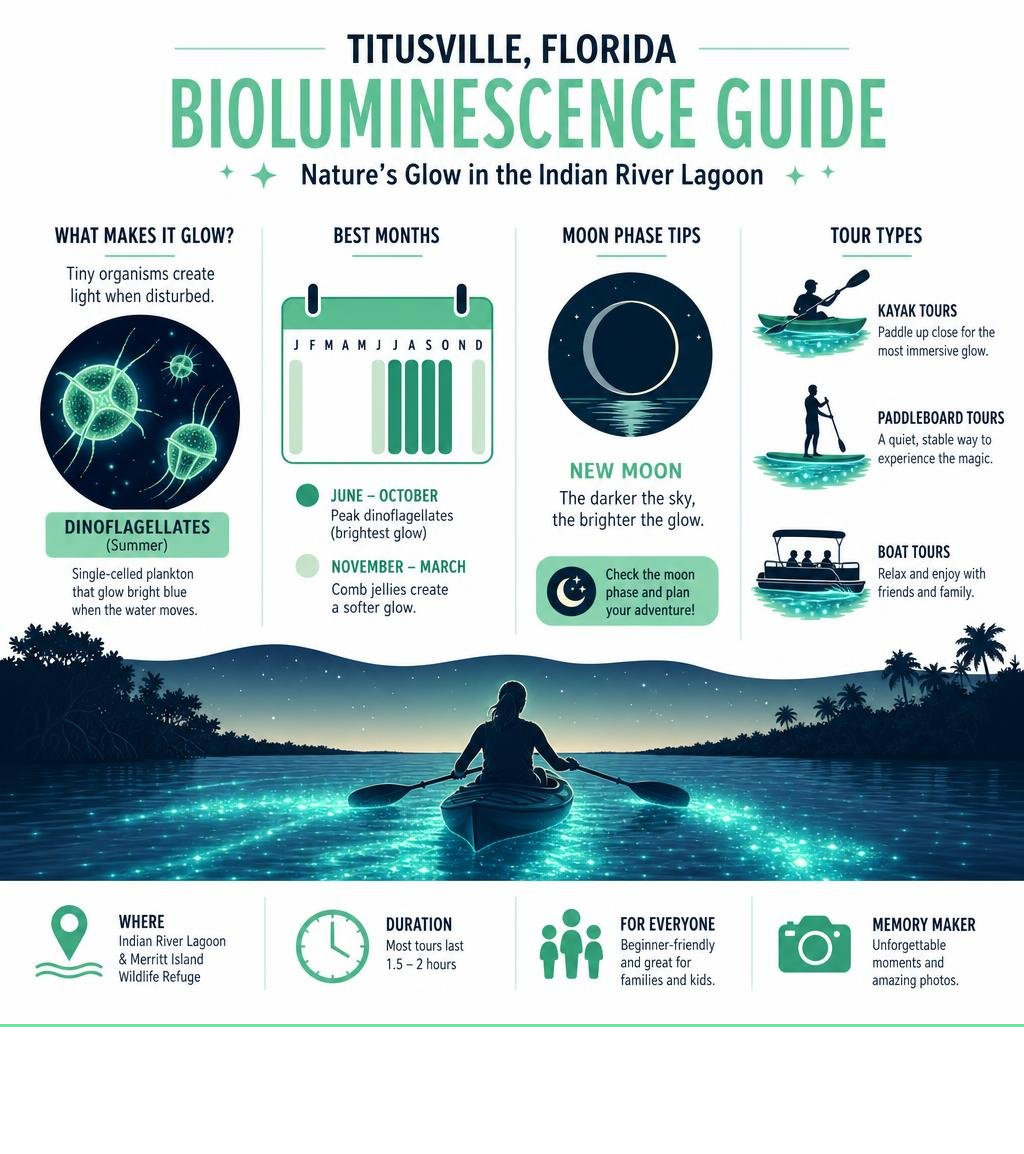
Bioluminescence in Titusville, FL is easiest to understand as a seasonal lagoon phenomenon. The water does not glow on its own. Tiny organisms create light when movement disturbs them, so the effect shows up around paddle strokes, dripping water, fish movement, and sometimes the wake of nearby marine life. NOAA’s bioluminescence explainer gives a concise overview of the light-producing chemical reaction behind the glow.
In the warm season, the glow is usually associated with dinoflagellates, a type of microscopic plankton that can produce blue-green flashes when stirred. On strong nights, the effect can appear as clouds, sparks, or trails around the kayak. On weaker nights, it may show mainly in paddle drips, shoreline shadows, or fish movement.
In cooler months, guests may see individual comb jellies glowing in the water or beneath the kayak when conditions align. Comb jellies are not true jellyfish and do not have the stinging cells associated with jellyfish. Learn more about these organisms in our guide to comb-jelly bioluminescence in Florida.
Dinoflagellate activity generally declines as conditions cool, while comb jellies may become the more visible source of winter bioluminescence. The key planning takeaway is simple: Titusville bioluminescence is real, memorable, and highly condition-dependent. If you arrive expecting a controlled light show, you may be disappointed. If you arrive ready for a guided night on a living lagoon, the experience is often well worth the trip.

Planning Your Trip: Timing, Moon Phases, and Weather
The best trip is the one matched to the kind of glow you want to see. Summer, winter, moonlight, clouds, wind, and rain can all change the experience, so it helps to choose your date with realistic expectations. Florida Adventurer’s tour availability can vary by season, launch, conditions, and operating schedule, so use the booking pages for current dates rather than assuming every month offers the same experience.
To help you compare the two main seasons, here is a practical planning view:
| Feature | Summer Season (June – October) | Winter Season (November – March) |
|---|---|---|
| Primary Organism | Dinoflagellates | Comb jellies are more likely |
| Glow Style | Blue-green sparks, clouds, and glowing wakes when conditions line up | Individual glowing shapes or flashes in the water |
| Typical Conditions | Warmer air and water; lightweight quick-drying clothing is usually appropriate | Cooler nighttime temperatures; bring layers suited to the forecast |
| Best Weather | Calm, low-wind nights with manageable conditions | Low-wind nights with safe paddling conditions |
| Planning Note | Best for guests seeking the classic blue-green kayak glow | Best for guests open to a quieter winter paddle and a different kind of glow |
April and May are transitional months, so guests should check current tour availability and operator guidance rather than assuming either the summer or winter pattern will apply.
Best Time of Year to See Bioluminescence in Titusville
For the brightest dinoflagellate glow, late summer is usually the first window to consider. July, August, September, and early October tend to be the strongest planning months for bioluminescence in Titusville, Florida, especially when warm water, low wind, and dark skies line up.
Winter is a different experience, not simply a weaker version of summer. The water may be calmer and quieter, and the focus often shifts toward comb jellies rather than a full-water glow. If your group wants the classic blue wake around the kayak, choose summer. If you want a cooler, quieter night paddle with a chance to see glowing comb jellies, winter can still be worthwhile.
For date-specific planning, use our new moon date guide and then choose the tour page that matches your launch and format.
How Moonlight Affects Bioluminescence Visibility
Moonlight does not turn the organisms off, and it does not necessarily make them glow more or less brightly. Darker nights often make bioluminescence easier to see because there is less ambient light competing with the glow.
Cloud cover can sometimes help by blocking moonlight, but weather is a tradeoff. Wind can make paddling harder and break up the surface. Heavy rain can affect visibility and create safety concerns. Light rain may still be manageable, while lightning, strong wind, rough water, or other unsafe conditions can delay or change the tour. The most realistic advice is to choose a darker moon window if you can, check the actual available tour times for your date, stay flexible, and understand that guides may adjust routes based on conditions on the water.
Top Launch Locations and Tour Formats in Titusville
Florida Adventurer currently offers Titusville-area bioluminescence experiences from launch areas including Haulover Canal and Beacon 42. Each location offers a different combination of darkness, scenery, wildlife habitat, and paddling conditions, so the right choice depends on the season, tour format, and current conditions. The official Merritt Island National Wildlife Refuge page is a helpful reference for understanding the protected landscape around many Space Coast lagoon routes.
Common Titusville-area planning points include:
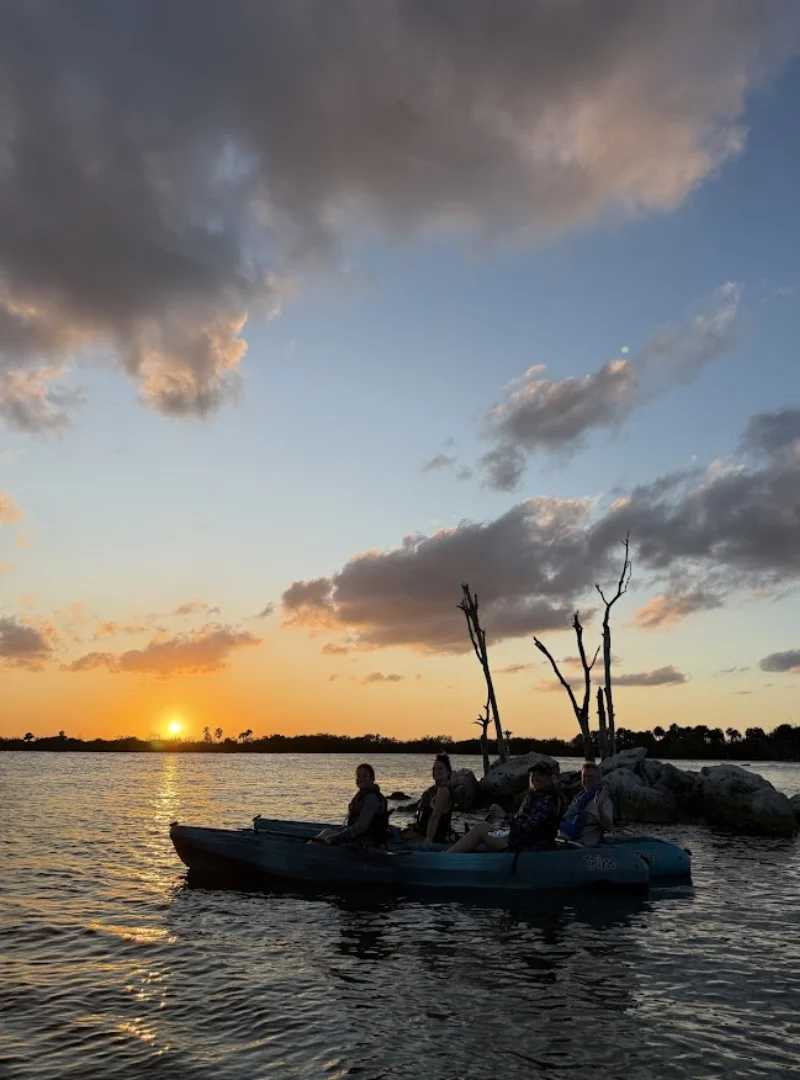
- Haulover Canal: Located within the Merritt Island National Wildlife Refuge, Haulover Canal connects the Indian River Lagoon and Mosquito Lagoon. Its protected setting and relatively limited shoreline lighting can create favorable conditions for nighttime paddling and viewing bioluminescence. Wildlife may also move through the area, although sightings are never guaranteed.
- Beacon 42: Beacon 42 is a Florida Adventurer launch site near Titusville offering both clear-kayak and group-rafting bioluminescence experiences. Its darker surroundings and access to the lagoon system can make it a strong option when bioluminescence is active. Guests can choose between a transparent kayak experience and a guided group raft, depending on their preferred vessel and group setup.
Those tour pages should handle exact directions and booking details. This guide is meant to help you choose the kind of Titusville trip that fits your group before you click into a specific launch or tour page.
Comparing Tour Formats: Clear Kayaks vs. Traditional Kayaks
Florida Adventurer’s current bioluminescence options include several formats, and the right choice depends on comfort, group size, and the kind of view you want:
- Traditional tandem kayaks: A good fit for many first-time paddlers who want a straightforward guided night tour. They are familiar and practical when your priority is the overall lagoon experience, though handling depends on the specific boat, wind, current, and paddler comfort.
- Clear kayaks: Best for guests who want the most direct view into the water below them. Clear kayaks provide a viewing window beneath the paddler, making underwater glow and movement easier to observe when conditions are suitable. Because the hull is transparent, guests can look through the bottom of the vessel, but comfort, weight limits, and availability depend on the specific tour model and launch.
- Group rafting tours: Florida Adventurer’s Beacon 42 group-rafting tour uses multi-passenger rafts that can accommodate up to 10 guests. This format allows families, friends, and larger groups to experience bioluminescence together rather than splitting into separate kayaks. The published tour duration is approximately 90 minutes.
For booking details, compare the main bioluminescent tours page and the dedicated Beacon 42 pages that match your preferred route.
Preparing for Your Night on the Water
Preparation matters because night paddling feels different from a daytime beach activity. You will be outdoors, close to the water, and dependent on real lagoon conditions. A little planning makes the experience more comfortable and helps the group focus on the glow instead of the logistics.
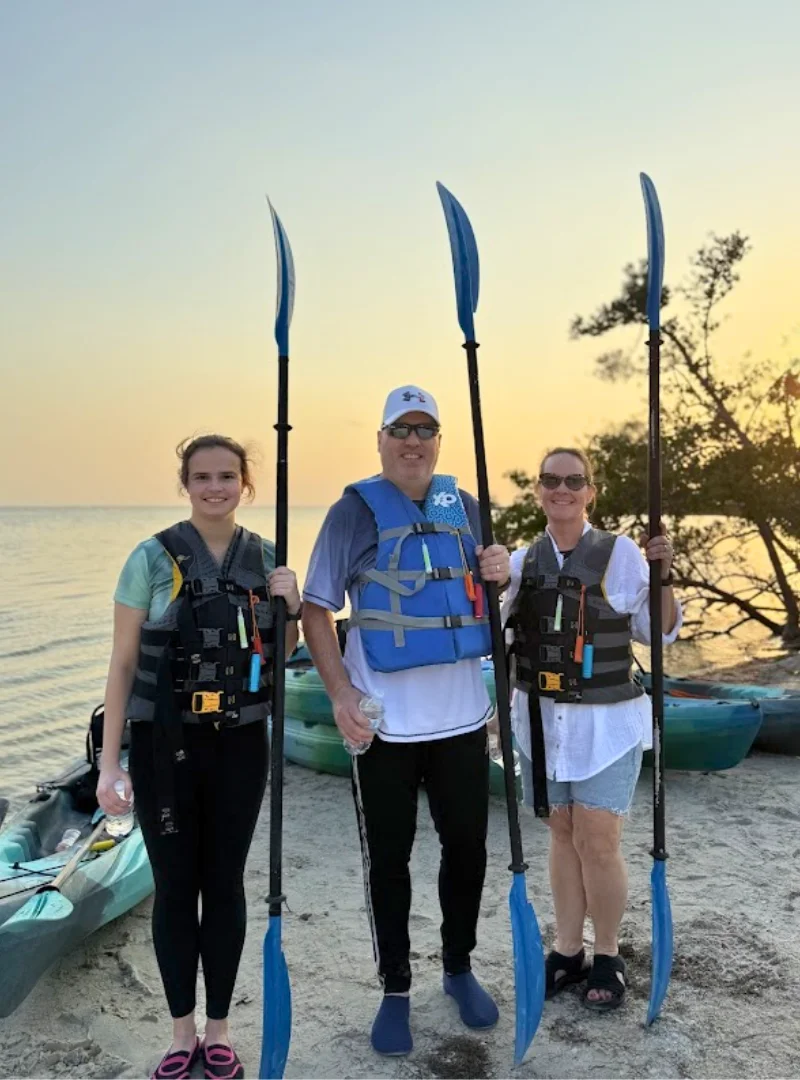
Dress as if you may get splashed. Quick-drying clothes, secure water shoes, and a towel for after the tour are all sensible choices. In summer, a lightweight long-sleeved layer can help with bugs. In winter, bring layers because the air can feel cooler once you are on the water after dark.
Apply insect repellent before you arrive, especially for routes near marshy or refuge areas. Bring water, keep valuables minimal, and use a dry bag or waterproof phone pouch if you plan to bring a phone. Most guests discover that simple preparation matters more than specialized gear.
Arrive 30 minutes before departure. Florida Adventurer conducts its safety orientation approximately 15 minutes before launch, and guests who miss the orientation may not be permitted to join the scheduled tour. Review Florida Adventurer’s current cancellation, weather, arrival, and rebooking policies before your tour.
Safety and Family Requirements
Guided night paddling provides route support, safety equipment, group communication, and local knowledge, but conditions on the water can still change. Before departure, guides review paddling basics, communication procedures, and current water conditions.
Age, seating, and weight requirements vary by tour format and vessel. Guests should review the published requirements for the specific tour before booking rather than assuming one rule applies to every kayak, raft, or launch. This is especially important when comparing traditional kayaks, clear kayaks, and guided rafting options, because each format may have different limits and comfort considerations.
For current tour-specific requirements, start with the Florida Adventurer bioluminescent tours page and the individual tour page for your selected format.
Frequently Asked Questions About Titusville Bioluminescence
Can you see bioluminescence during a full moon?
Sometimes, but it is not the best planning window. A bright moon reduces contrast, so the glow may appear softer or be easier to see in darker pockets of water. If your trip falls during a brighter moon phase, compare the available departure times and ask which option is best suited to that night’s moonrise, moonset, and expected conditions.
What wildlife will I see on a night tour?
Mullet, manatees, dolphins, and other wildlife may be present in the lagoon, but sightings vary and are never guaranteed. When animals move through active bioluminescent water, their movement can sometimes create visible trails or areas of disturbed glow. The best approach is quiet observation from an appropriate distance. Guides do not need to pursue wildlife for the tour to be successful; the main experience is the lagoon at night and the bioluminescence itself.
Florida Adventurer does not guarantee wildlife sightings or bioluminescence visibility. If a bioluminescence tour has no visible bioluminescence, or a manatee and dolphin tour has no manatee or dolphin sighting, the company offers a non-expiring raincheck. For more information on observing animals responsibly, review the FWC wildlife-viewing guidance.
What Happens if It Rains or Storms?
Florida Adventurer tours still depart in rain when conditions remain safe. If lightning, high winds, rough water, or another unsafe condition develops, guides may delay the launch, wait for the storm to pass, or cancel the tour.
Florida Adventurer waits at least 30 minutes after any lightning strike within 10 miles before launching. Guests may be asked to wait approximately 30 minutes to one hour for a passing storm. If conditions do not improve, affected guests may be moved to a later available tour, rebooked for a future date, or issued a raincheck.
If Florida Adventurer cancels a tour because of unsafe weather or water conditions, the booking is rescheduled rather than refunded. Guests who choose to leave before the required weather wait is complete are not eligible for a raincheck.
Is Titusville Bioluminescence Worth the Trip?
Titusville can be an excellent choice for visitors who want to experience seasonal bioluminescence from a kayak or guided vessel in Florida’s Space Coast lagoon system. Summer may provide dinoflagellate displays, while cooler months can offer a different comb-jelly experience. Neither glow intensity nor wildlife sightings are guaranteed, so the best trips begin with realistic expectations and a tour format suited to the group.
A guided experience can be especially valuable for first-time paddlers because guides provide equipment, route support, current-condition awareness, and interpretation of what guests see on the water. If your group wants the strongest chance of seeing the classic blue-green glow associated with dinoflagellates, summer dates during a darker moon window are generally the better fit. Cooler-season tours may provide a different experience in which comb jellies are more likely to be visible. Review the current tour schedule, vessel format, and participation requirements before booking.
About Josh Myers
Josh Myers is the owner of Florida Adventurer and an experienced Space Coast eco-tour guide with firsthand experience leading bioluminescence and wildlife tours in the Indian River Lagoon and surrounding waterways. He helps guests understand how season, moonlight, weather, water conditions, and tour format can affect the experience. His approach emphasizes practical preparation, responsible wildlife viewing, beginner support, and realistic expectations.
About Florida Adventurer
Florida Adventurer offers guided bioluminescence, clear-kayak, manatee, dolphin, and wildlife experiences across Florida’s Space Coast, including Titusville, Merritt Island, and Cocoa Beach. Its small-group tours emphasize guest safety, responsible wildlife viewing, local ecosystem education, and tour planning based on current conditions.
Choose the Right Titusville Bioluminescence Tour
The best next step depends on the season and vessel type that fit your group. Start with Florida Adventurer’s bioluminescent tours page to review current Titusville dates, launch areas, and available formats.
If you want a clear view into the water beneath you, review the Beacon 42 clear-kayak tour and confirm the current vessel requirements before booking. If your group wants to stay together in one vessel, compare the Beacon 42 group-rafting tour.
Seasonal conditions vary, so use the current tour pages to choose by date, launch setting, vessel type, and group comfort rather than assuming one route or organism will be available throughout the year.